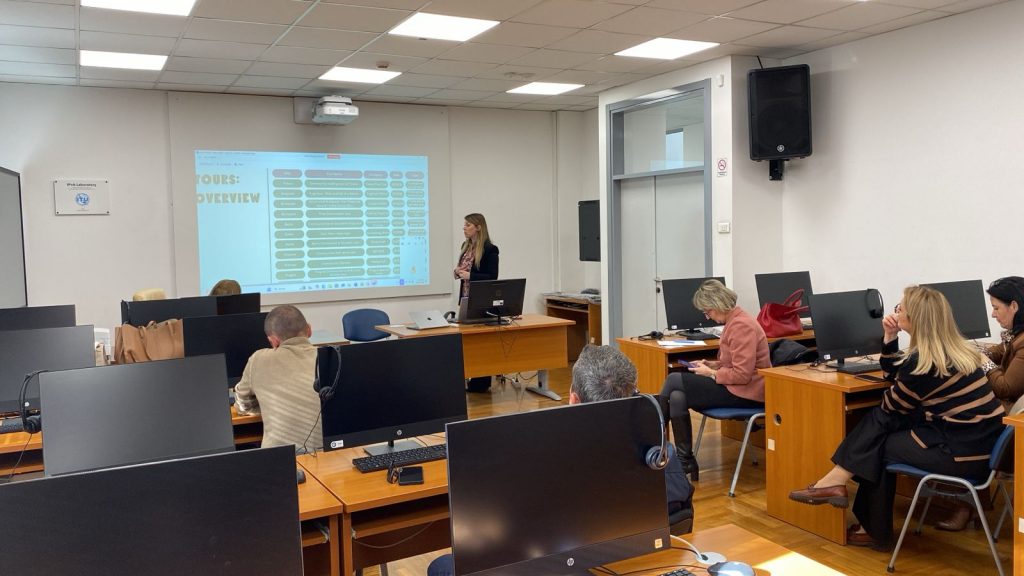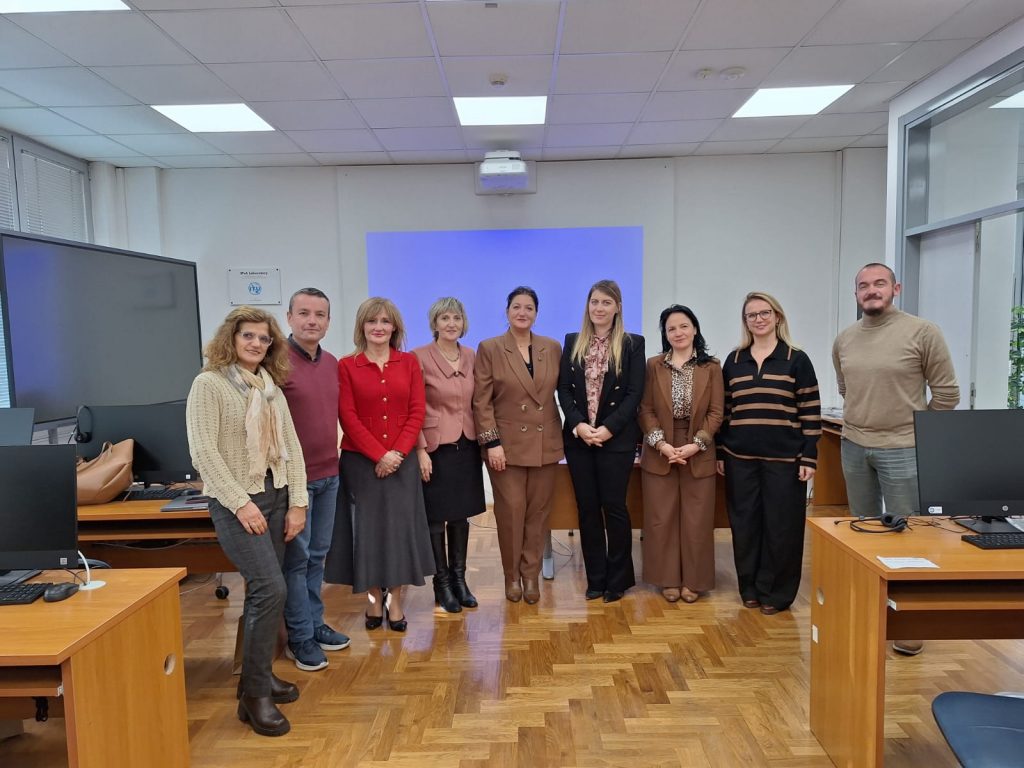
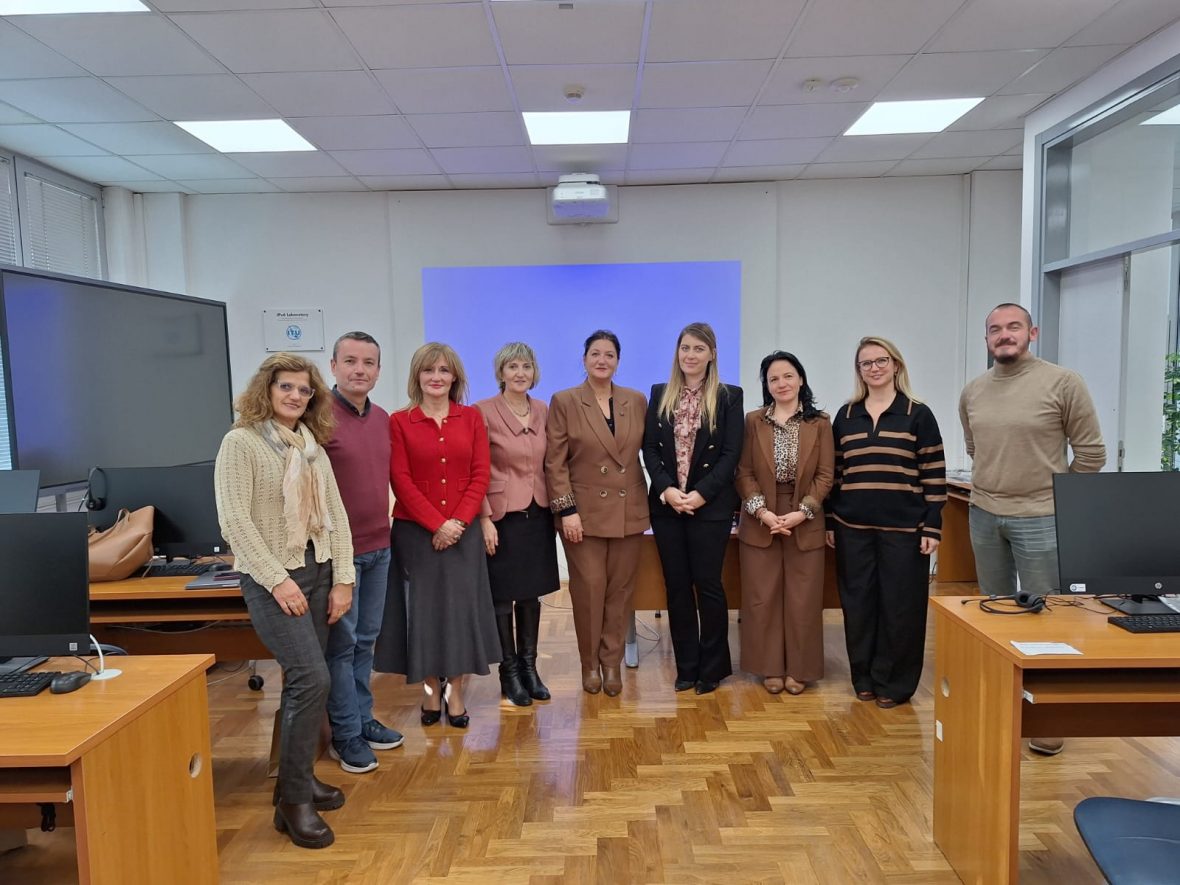
On November 27, 2024, at the premises of the Rectorate of Montenegro University in Podgorica, the Seminar entitled “Territory and Historical Memory: Revitalization of Little-Known Places” took place, within the framework of the PLACOD project, aimed at creating a multilingual digital platform for the promotion of the territory.
The activity was moderated by Professor Dhurata Hoxha, lecturer-researcher at the Department of Romance Languages at the University of Shkodër, as well as a member of the project.
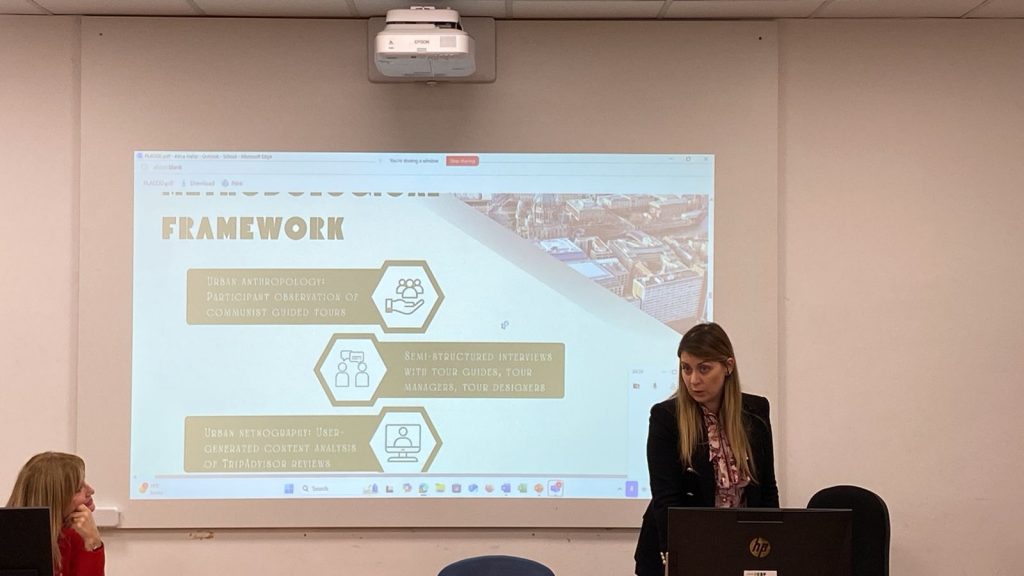
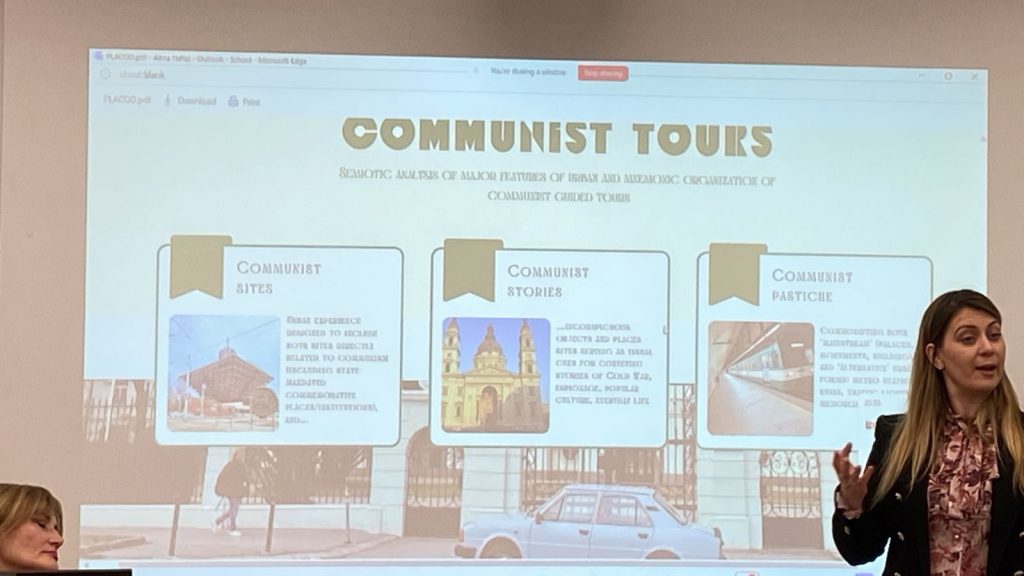
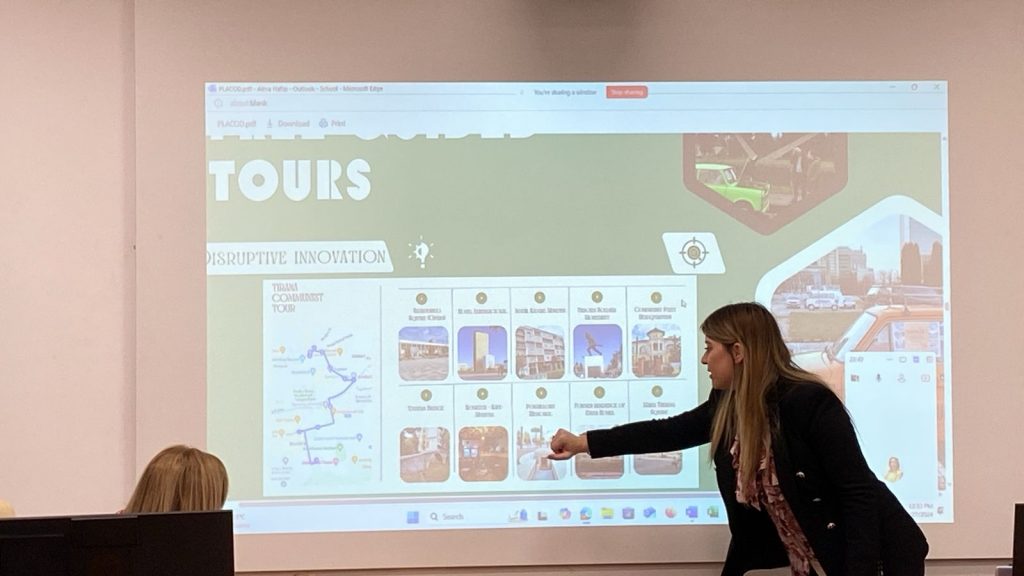
With her very interesting intervention, Professor Jovana Janinovic, lecturer-researcher at the University of Montenegro, Faculty of Tourism and Hospitality, as well as Director of the Francophone Center, shared her experience on the promotion of heritage during the totalitarian communist regime in Montenegro. She explained how this historical period is presented to foreign tourists. Indeed, the democratization of heritage interpretation, already contested in Central and Eastern Europe, is based on personal memories, anecdotes, jokes, as well as participatory ethnography. Thanks to the Netnography research method, data collected on the Internet about places, stories and jokes from the communist period are constantly updated and used in tourist guides, thus contributing to the creation of urban identity.
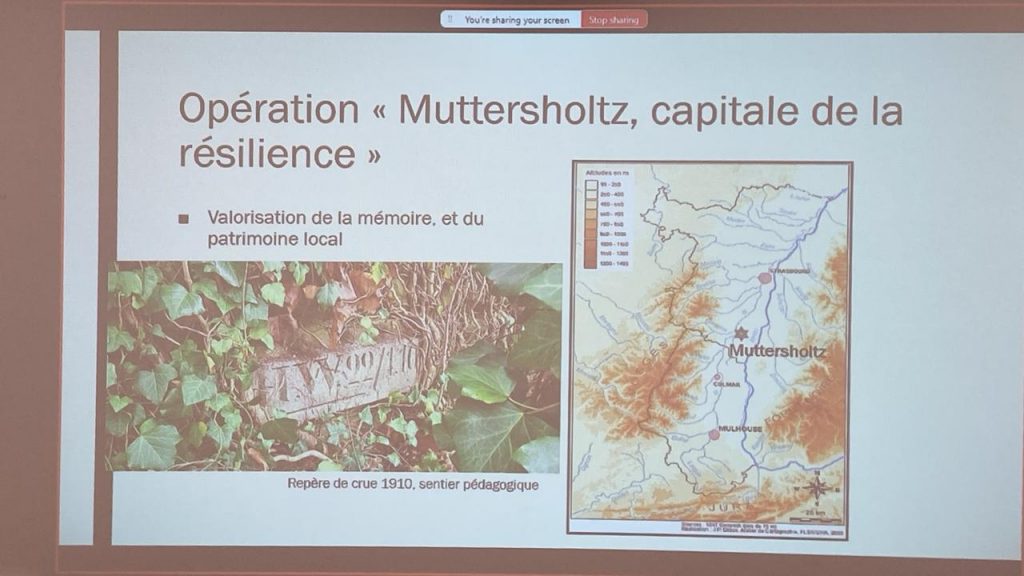
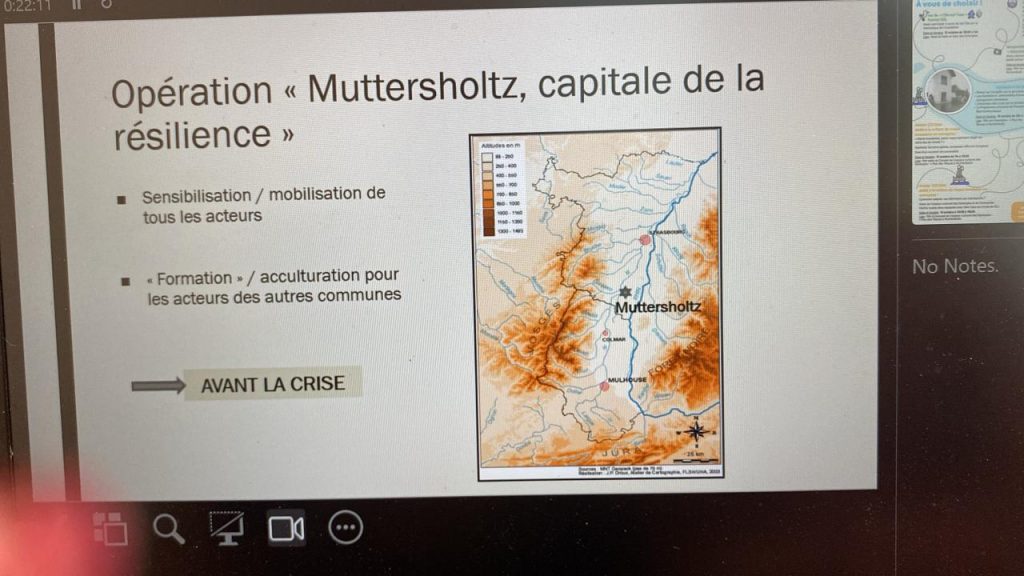
Lecturer Brice Martin, lecturer-researcher in geography at the University of Haute Alsace and Deputy Director of CRESAT, in his presentation entitled “Assessment of the territory according to possible natural risks”, referred to his experience in a project aimed at raising awareness in the community about flood protection, through a collective assessment of the memory of local heritage in the Alsatian territory. Using photos illustrating the positive experience of managing flood situations during the most critical years in Muttersholtz, the capital of the resistance, he presented concrete examples. He also drew attention to the development of the Resistance Week, held in October this year, where students, elected officials and companies participated in various activities such as: workshops dedicated to flood risk culture, games, exhibitions where historical photos are evaluated, etc. These actions are then used in tourist guides, thus contributing to the construction of urban identity.
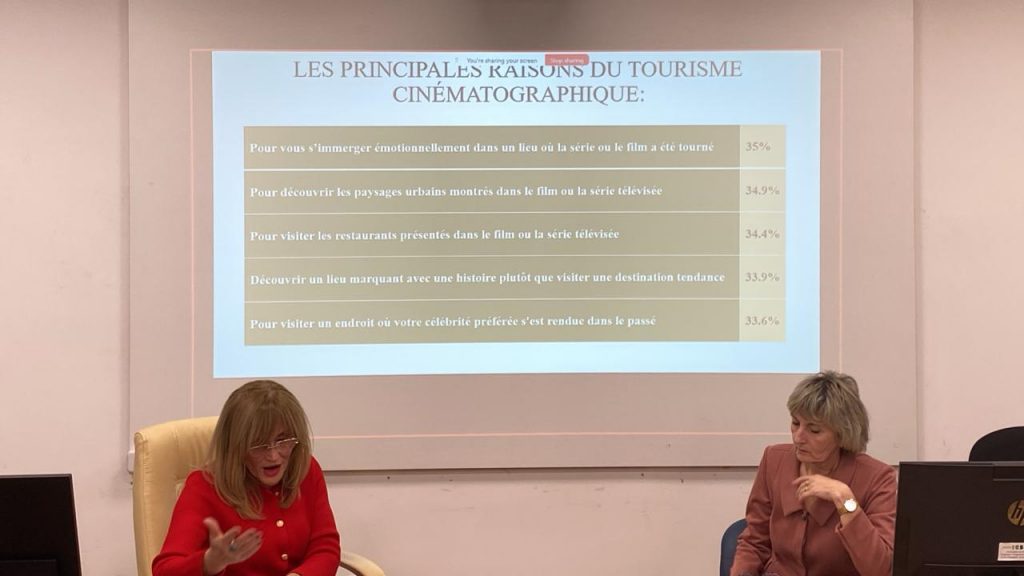
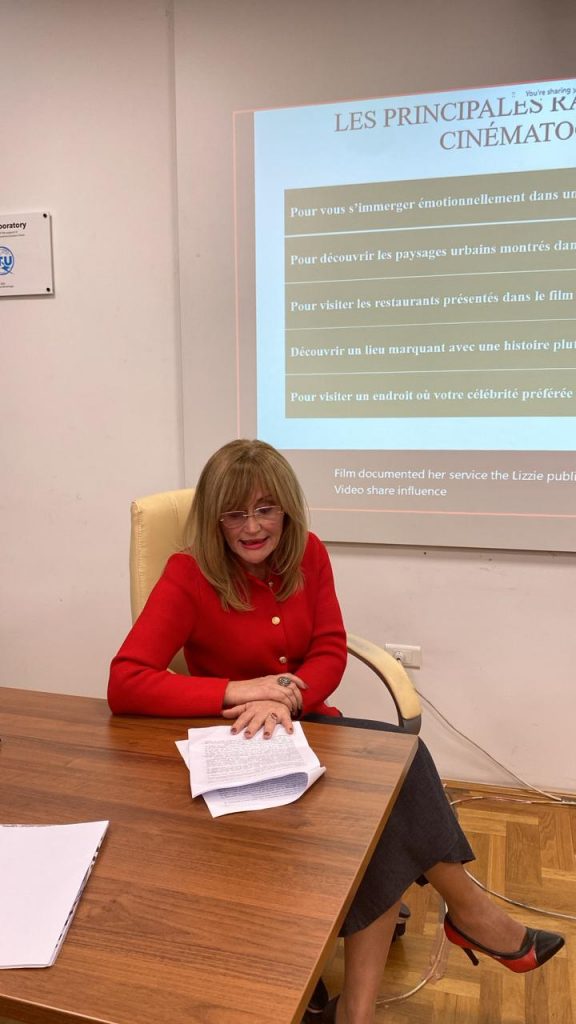
Lecturer Eliana Laçej and Doctor of Linguistics Lindita Kazazi, at the Department of Romance Languages, University of Shkodër, as members of the PLACOD project, proposed a new tourism model: film tourism. After presenting an overview of the experience of several Western countries and beyond in this field, they affirmed that with its unique landscapes and historical heritage, Albania has great potential to develop this type of tourism. Films, series and advertisements are powerful tools to transmit the values of a territory and influence tourism. Considering a study conducted in 2023 by the PhotoAiD group, it resulted that films have become a powerful tool for promoting territories, influencing tourism through the emotional engagement of viewers, which would constitute an innovation for the promotion of cultural heritage through tourism.
Finally, following the questions and discussions, ideas were born and fruitful experiences were exchanged in the field of cultural tourism development.