Location: Institut des Civilisations (CNRS), Paris
Friday, February 20, 2025, at 10:00 a.m.
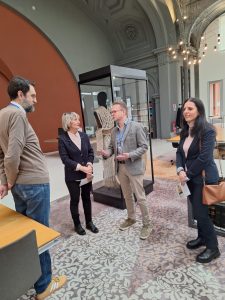
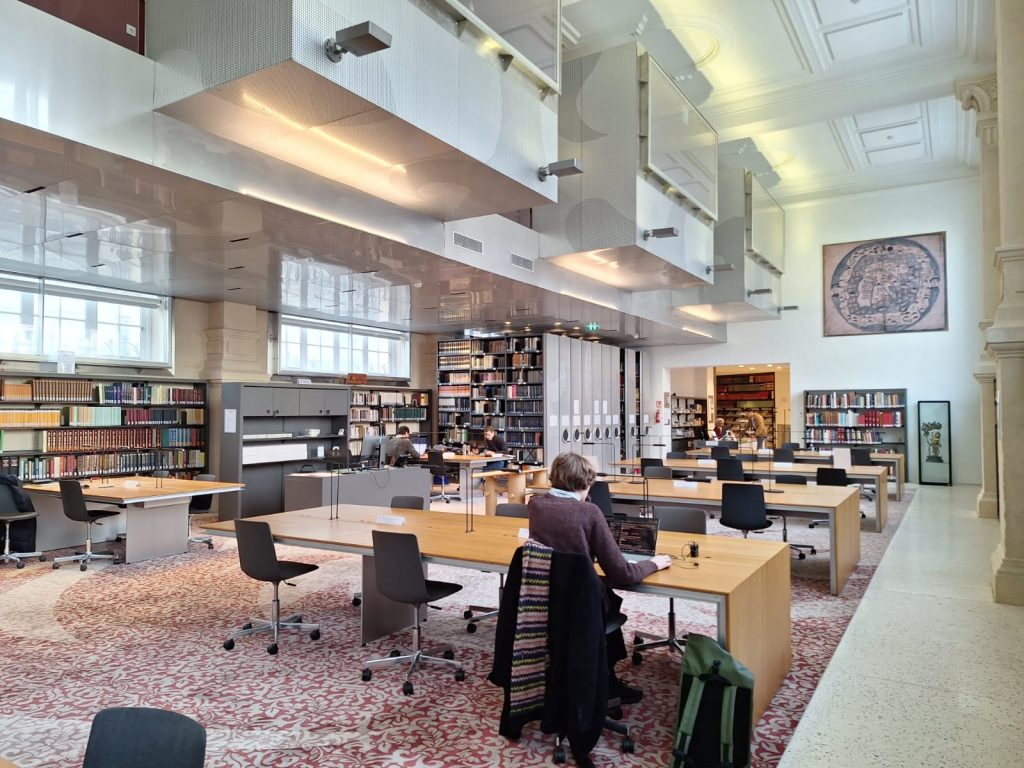
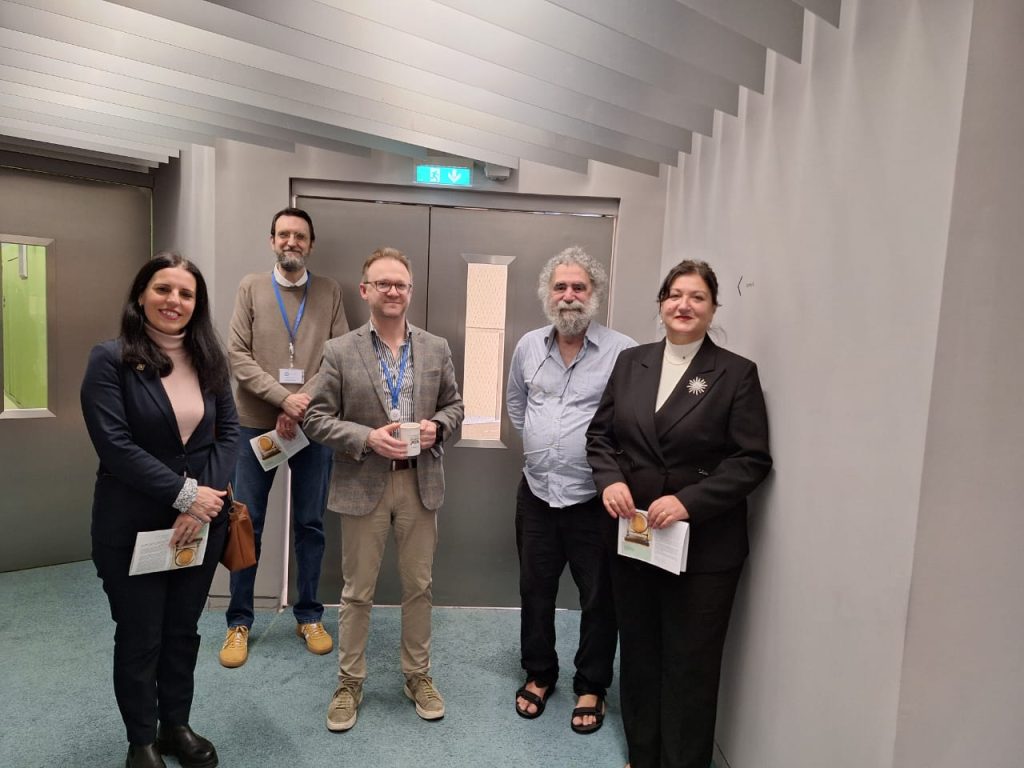
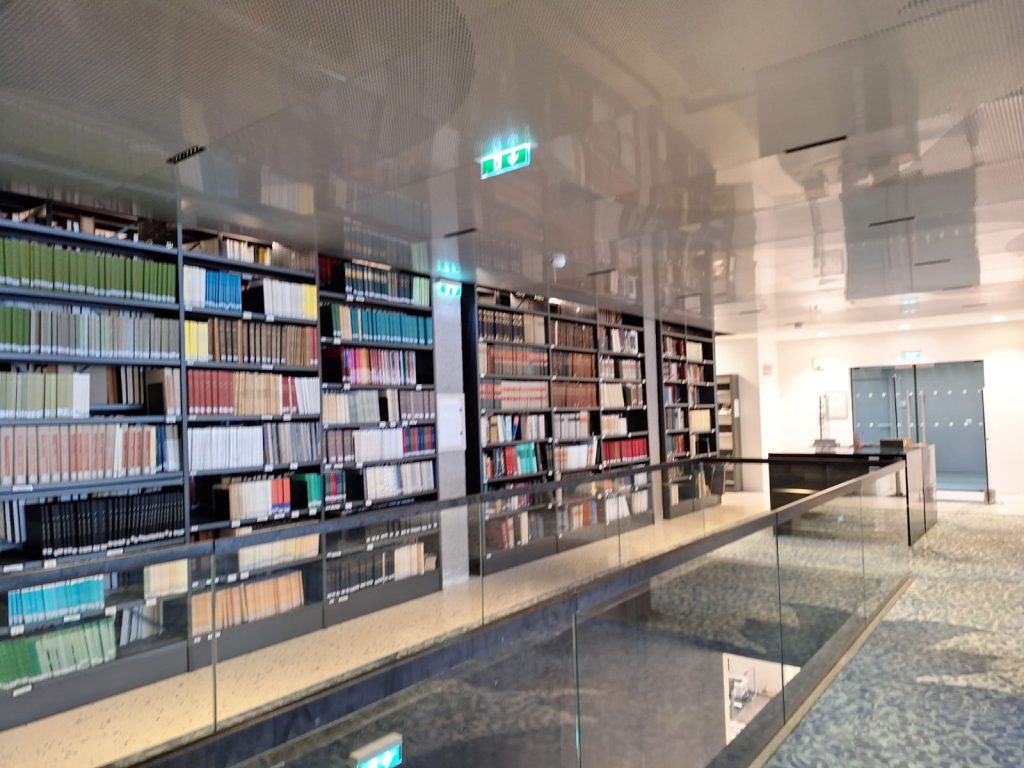
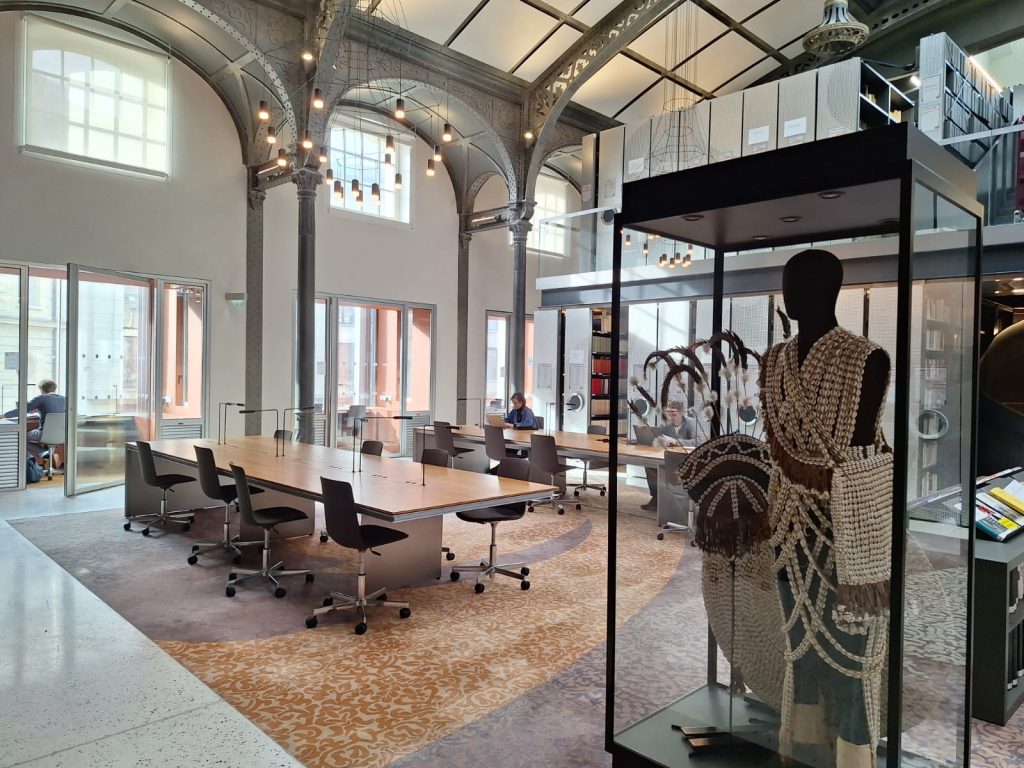
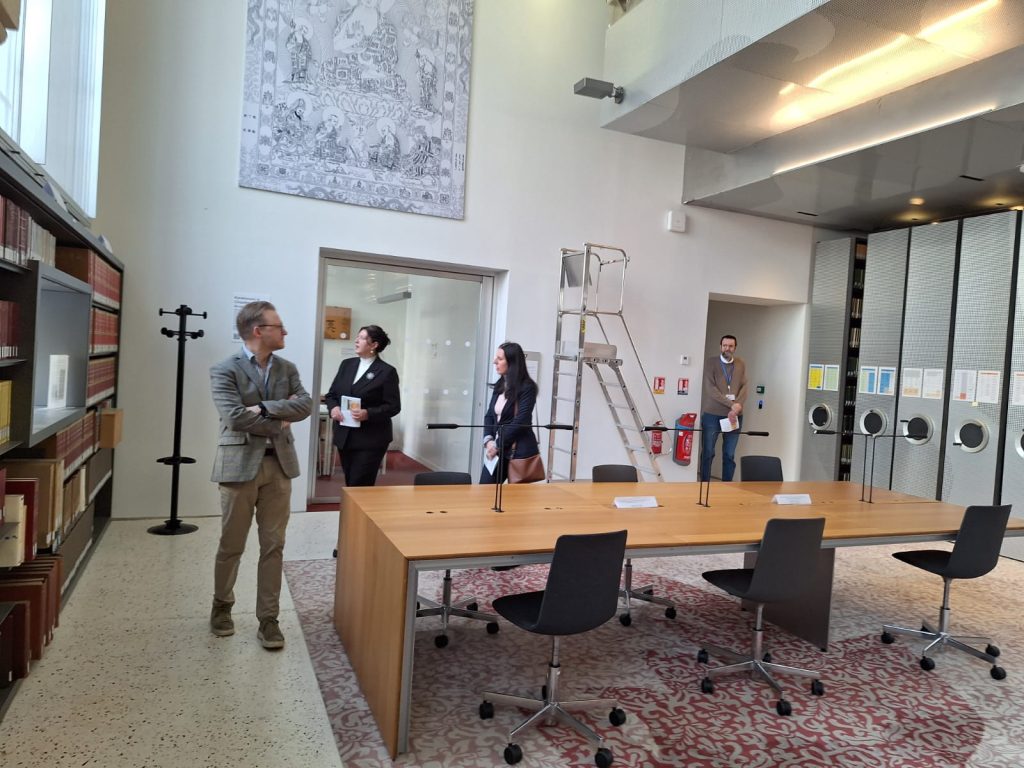
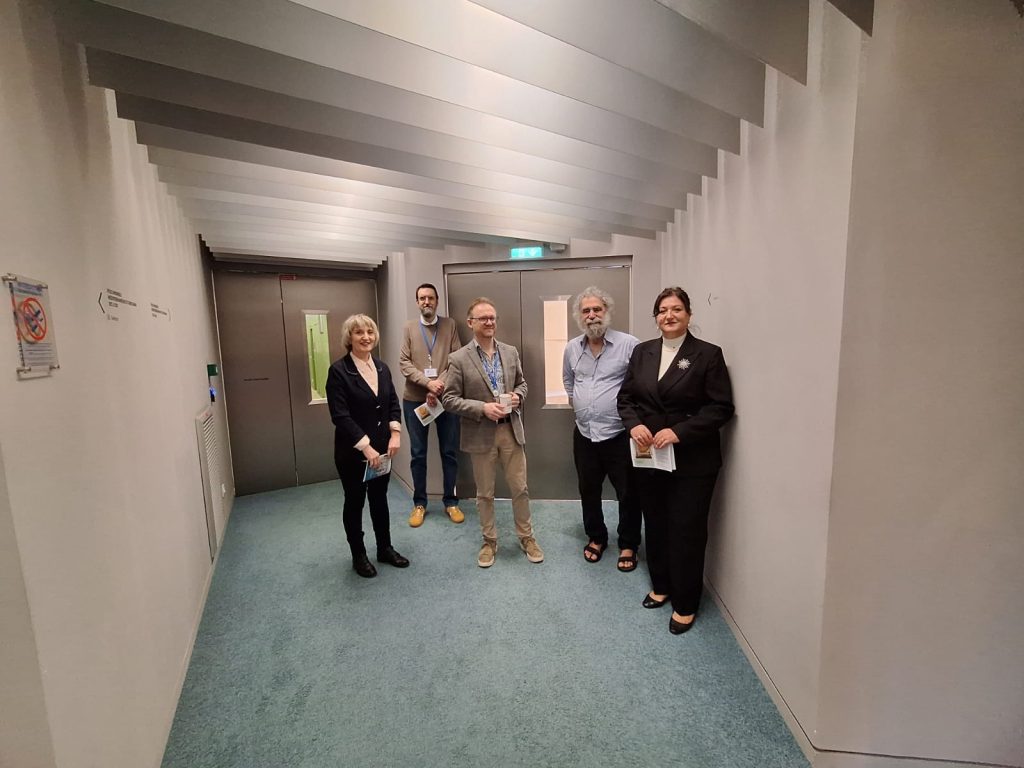
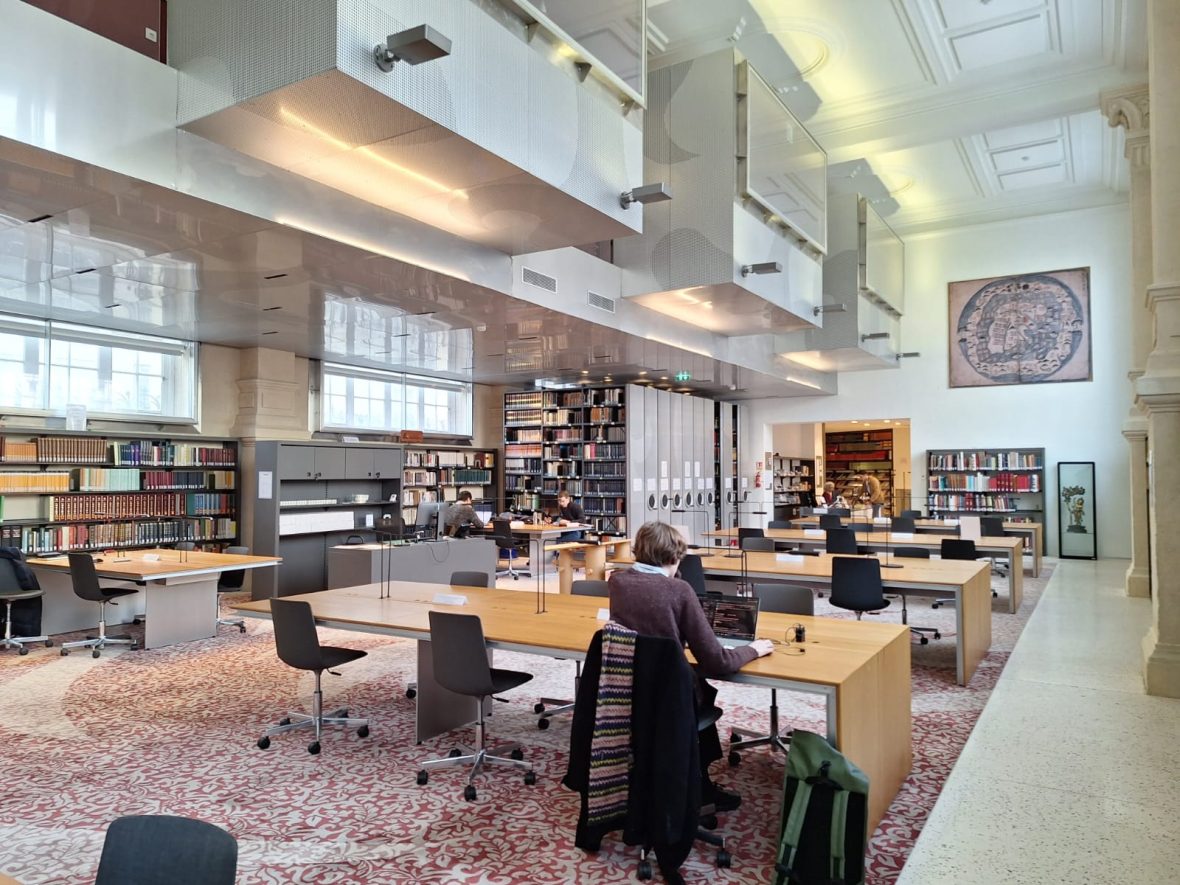
The PLACOD project team, composed of professor Alma Hafizi, Ms. Dhurata Hoxha, and Ms. Lindita Kazazi, traveled to the Institut des Civilisations (CNRS), Paris, to benefit from French experience and expertise in scientific research in general and digital technology and territorial promotion in particular. Accompanied by project team members Ms. Etleva Nallbani and Mr. Oren Hoxha, both based in Paris, they were welcomed by researchers from this center of excellence for scientific research in France: Mr. Olivier Delouis, Director of the Center for the History and Civilization of Byzantium team, and Mr. Alessio Sopracasa. The mission began with a tour of this internationally renowned institution, its rich libraries, some of which are unique internationally, its scientific publications (books, doctoral theses, archives, and online resources), and its interdisciplinary projects, some of which concern archaeology or ancient civilization in Albania, of particular importance for the history of the region and elsewhere.
The meeting highlighted the contribution of doctoral students to the research work, the opportunities to work in teams with experienced researchers and the experience gained, and postdoctoral positions in French universities.
After sharing the work carried out to this stage within the framework of the PLACOD project, the Albanian team discussed with the French researchers the scientific research work in academic institutions in Albania so that they can become important players in regional development and elsewhere, scientific cooperation at the national and international levels, and networking, the latter very fruitful for the experience and expertise acquired. Digitization and digital platforms for scientific research, the central theme of the meeting, sparked highly interesting discussions on this innovative approach, which promotes easier access to information, enhances the work of research teams, and leads to greater visibility of research results, thus bringing added value to universities and research centers.
These fruitful discussions led to concrete proposals for collaboration, such as access to digital archives, exchanges between researchers and doctoral students, scientific events, and joint interdisciplinary projects.